

Days out in Calvi & the Balagne
- By Simpson Travel
- 25 May 2016
- What to do
The north of Corsica is much less talked about than the shimmering south, but with beautiful beaches, sophisticated towns, ancient villages and stunning countryside, there's a huge variety of things to do in Calvi & The Balagne.
Enjoy the town built to rule them all
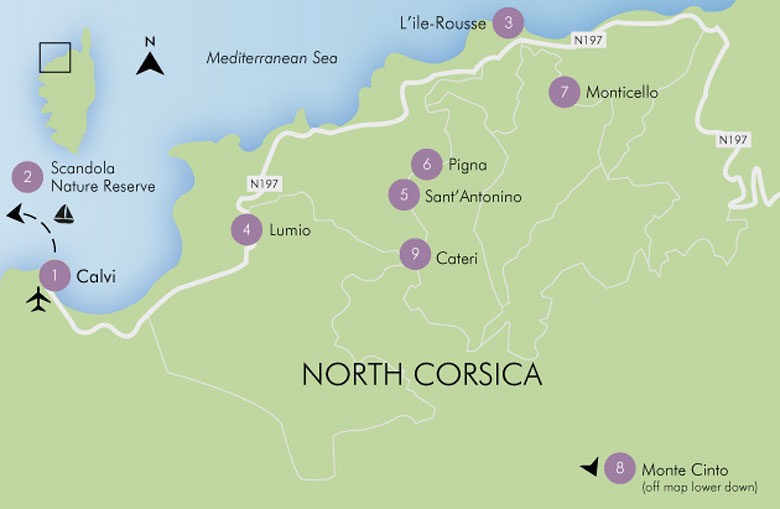
Towering above a glittering Mediterranean, the citadel of Calvi (1) was made to last, and it’s an iconic image of the island; a defiant bastion of honey-coloured stone. It’s the base for the Foreign Legion’s parachute regiment, and a lively nightlife and cultural scene prevails below the citadel’s walls, along with quirky boutiques, buzzing pavement cafés, exceptional restaurants and a pretty palm-edged harbour. Your holiday to Corsica wouldn’t be complete without paying a visit to the arc of perfect sand (one of the longest beaches in the area) wrapped around an idyllic bay.
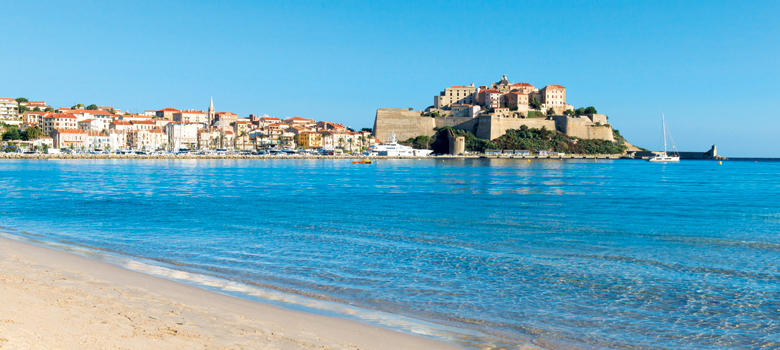
If you’re interested in catching a performance of the chants polyphoniques, the haunting vocal performances that form a core part of Corsican national identity, Calvi is a great place to do it. Listen to a few numbers in the magnificent surroundings of the citadel and then finish your evening with a walk round the ramparts, overlooking the harbour lights, one of the best things to do in Corsica.
This historic town is also a starting point for boat trips to the Scandola Nature Reserve (2), a thousand hectares of otherworldly rock formations, sculpted by wind and sea and a UNESCO World Heritage Site.
Take the little train to Île Rousse
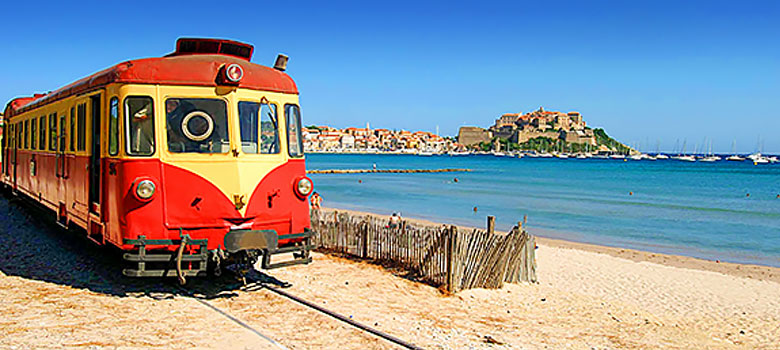
From Calvi, you also can hop on board the two-car Trinichellu and experience one of the world’s most scenic railway journeys, with plenty of small coastal villages en route if you’d like to stop off for a glass of something cold or a swim. Your final destination is Île Rousse (3), a lively town named after the russet-coloured rocks that separate it from silver sand beaches.
Have a stylish day by the seaside
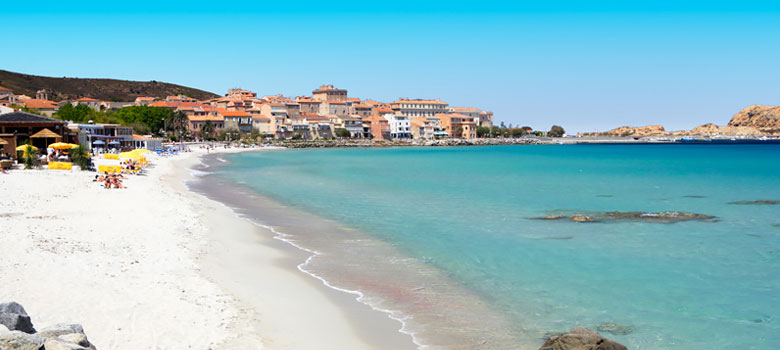
Île-Rousse has something to appeal to everyone – sun worshippers will appreciate the warmest micro-climate in Corsica, or you could simply install yourself in the café-lined village square, pastis in hand, and watch the world go by. The cobbled streets of the Old Town are packed with places to eat, drink and shop for traditional local produce, and if you need to work off a substantial beach-side lunch, take a stroll to the lighthouse above the town for wonderful views and great photos, especially at sunset.
Exploring the Balagne
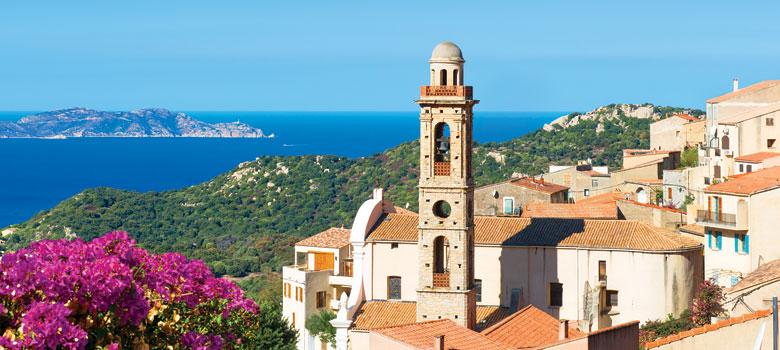
The Balagne is a quietly beautiful corner of Corsica, characterized by golden hilltop villages, pink-tinged cliffs and beaches washed by a minty green sea. The gently rolling countryside is a walkers’ paradise, and between its picturesque villages, the undulating landscape is carpeted with vineyards, olive trees and citrus groves. There are myriad marked walking trails to explore, or you could also work up an appetite for those hearty Corsican meals with a pony trek through the Balagne hills. The village of Monticello (7) – is a good place to start. Believed to have been home to the mother of Christopher Columbus, its main attraction now is the Complexe St François, the island’s most comprehensive sporting resort. It has pools, football pitches, a gym, an equestrian centre, pony club, shooting range, mini golf and floodlit tennis courts. Or if a gentle stroll is more your thing, the botanical gardens of Parc de Saleccia, also in Monticello, are worth a visit.
To the south of the Balagne you’ll find the island’s highest point: Monte Cinto (8), 2,706 metres above sea level. This is a challenging climb more suited to experienced mountaineers, but the views of its impressive peak are free for everyone to enjoy.
Follow the Route des Artisans
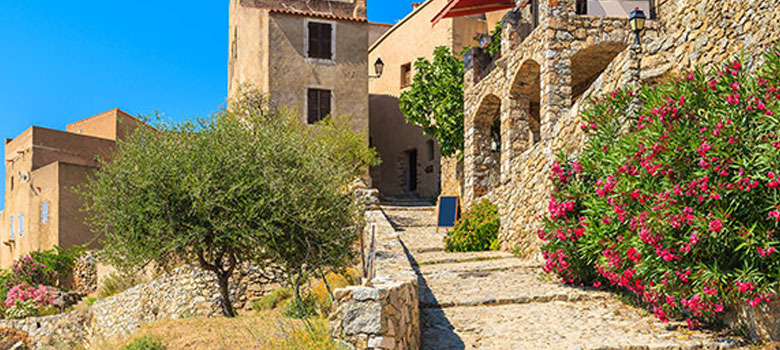
The idyllic beauty of the Balagne, the Garden of Corsica, remains an inspiration for jewellers, tanners, potters and musicians, many of whom open their workshops for visitors to discover the secrets of their art. The Artisans’ Route wends its way through the countryside above Île Rousse and the numerous fortified hilltop villages each have their own unique treasures. Lumio (4) is home to the famous winery of Domaine Clos Culombu and a good spot for some sophisticated dining, or if you're after something a little more rustic, try Sant’ Antonino (5), the highest and oldest inhabited village in the region. The pretty streets offer many opportunities to linger and explore its artisan shops and restaurants: don’t leave without trying the local citronade. Pigna is the honorary capital of the Artisan Trail, a blue-shuttered village where you can hear local music performed in cafés, visit workshops and even buy typical traditional musical instruments as souvenirs.
Feed your appetite for local food
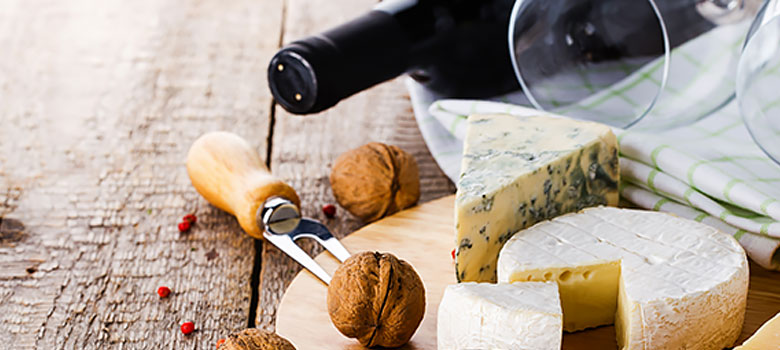
Its fertile fields have led the Balagne to be labelled the ‘breadbasket of Corsica’ and cheese and wine shops, as well as stalls selling local specialities, are found in abundance. Visit Cateri (9), with its 17th-century baroque church and a wide selection of cheese outlets or make your way to Île Rousse’s covered markets, where maquis-infused honey and chestnut-flavoured delights can be sampled from 7am to 12pm every day.
For a truly traditional and rustic experience, fermes auberges (farmhouse inns) serve the most authentic Corsican food, 70% of which must be home produced, or at least grown or reared very locally. Expect a set menu, communal tables and a thoroughly enjoyable time.


