


Explore holidays in Tavira & the Eastern Algarve
If anywhere exemplifies the sheer variety and natural beauty of the Algarve as a whole, it has to be Tavira and the eastern end of the Algarve coast as it stretches in an almost unbroken sandy line to the Spanish border. If you’re lucky enough to have a window seat as you approach Faro from the air, you might glimpse the turquoise lagoons and massive sandbar beaches that protect the Ria Formosa wetlands from the mighty Atlantic, and create a magical natural playground for wildlife as well as people.

A selection of our holidays in Tavira & the Eastern Algarve
* Package prices for UK departures include seven nights’ accommodation, flights and transfers/car hire, based on the lowest rate for maximum occupancy.


Our guide to Tavira & the Eastern Algarve
In this section...
Introduction to Tavira & the Eastern Algarve
Tavira is the jewel of the east, its brilliantly white buildings clustered along the banks of the Gilão river. There’s been a settlement here since the 8th century BC, and Tavira was at its height as a trading centre for salt, fish and almonds in the 1500s. As the river silted up, so trade moved away, leaving a genteel town with mansion houses, a crumbling castle, a couple of rather elegant hotels and 37 churches. Today’s visitors come to appreciate its cobbled streets and excellent restaurants, and to catch the cute ferry out to the pristine island beaches more reminiscent of France's Arcachon coast than the traditional golden cliffs and golf courses that many associate with the Algarve.
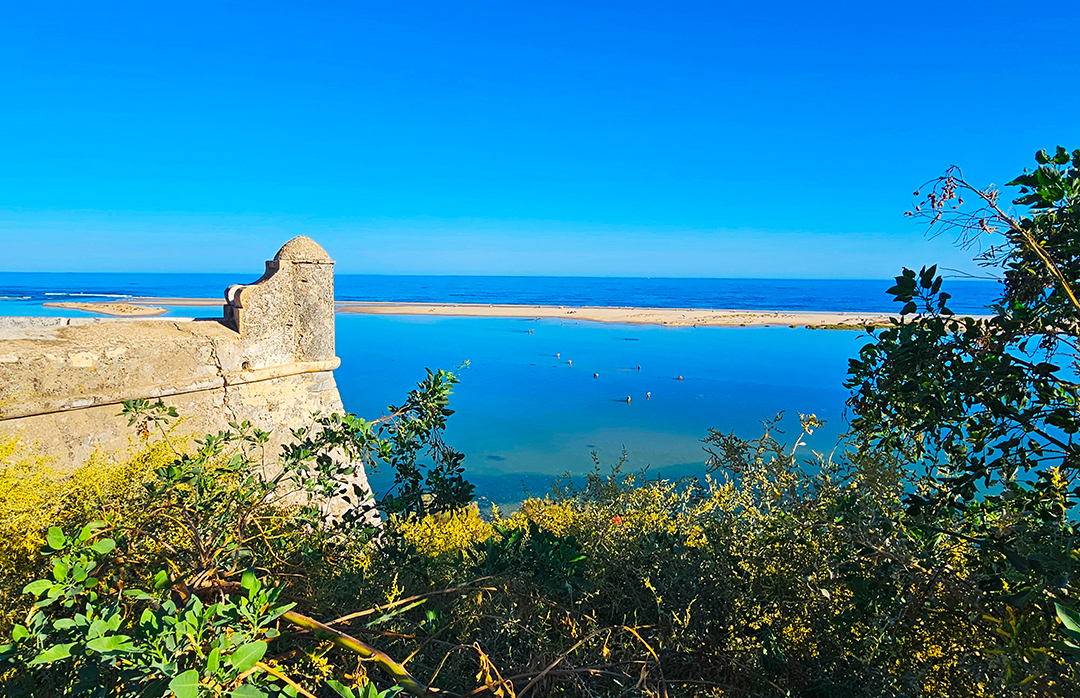
This stunning coastline is both untouristy (though Tavira does understandably draw daytime crowds) and charmingly family-friendly; even getting to the beach is fun by ferry or little train. Ilha da Tavira has the Atlantic on one side, a mill-pond calm lagoon on the other, and fine sandy beaches all the way around it, plus a handful of restaurants so you can stay for the day. Other local highlights include Cacela Velha, with mesmerising views over Cacela island beach (walk, wade or catch a water taxi), Cabanas, with its waterfront restaurants, the ridiculously picturesque Santa Luzia for fishing boats, salt pans and flamingos, and Pedras d’el Rei, with its trundling beach train and haunting ‘anchor graveyard’. And if you’re keen to explore a little further, the Spanish border is just half an hour away, or take a drive into the peaceful hills north of Tavira where citrus fruits, carob and olive trees cloak a landscape that has changed little in 100s of years.
At a glance
Beaches

Monte Gordo
A huge sweep of golden sand backed by a lively resort promenade: a convenient beach for families, easy swimming, sunbeds, cafés and restaurants without needing a ferry or long walk. Very well serviced with lifeguards, sunbed hire, toilets, restaurants and parking in season. A designated Accessible Beach.
Location...
Monte Gordo, near Vila Real de Santo António and the Spanish border.

Praia da Manta Rota
A good family choice as the water here is shallow and usually warmer than other local beaches, and you can access via a boardwalk rather than a ferry or boat ride. Well serviced with restaurants, cafés, toilets, parking and lifeguards in season. A designated Accessible Beach.
Location...
Between Cacela Velha and Monte Gordo.

Praia de Cacela Velha
One of the most photogenic spots on this stunning coastline, separated from Cacela Velha by a tidal lagoon. There’s a car park and a handful of restaurants in the village, but no facilities on the sand bank. Access is by small boat from below the village or, at very low tide, you can wade over, but great care is needed especially if you have young children with you.
Location...
Below Cacela Velha, between Tavira and Vila Real de Santo António.

Praia de Cabanas
Seven kilometres of soft sand opposite the fishing village of Cabanas de Tavira: a lovely and usually uncrowded choice for swimming, paddling and relaxed beach days. Limited facilities, but there are lifeguards in the summer season.
Location...
Opposite Cabanas de Tavira, access by a short ferry from the waterfront.

Praia da Ilha de Tavira
Eleven kilometres of soft white sand on a protected Ria Formosa barrier island: a beautiful place for swimming, walking, long lazy lunches or finding a quieter patch beyond the ferry landing. Well serviced close to the pier with lifeguards, restaurants, toilets and sunbeds in season.
Location...
Near Tavira, access by ferry from Tavira town or Quatro Águas.

Praia da Terra Estreita
A peaceful, dune-backed island beach between calm lagoon and open Atlantic. Seasonal facilities include a beach bar, toilets and lifeguards.
Location...
Ilha de Tavira, reached by boat from Santa Luzia.

Praia do Barril
A broad sweep of golden sand backed by dunes and the atmospheric Cemitério das Âncoras, named after 100s of rusting anchors placed here in 1964 after the tuna fishing boats ceased to operate. Well serviced with lifeguards, restaurants, toilets and sunbeds in season. A designated Accessible Beach.
Location...
Ilha de Tavira, access by mini-train or a 20 to 30 minute walk from Pedras d’el Rei.

Praia da Fuseta / Ilha da Fuseta
A charming mix of fishing village and lagoon beach, set within the Ria Formosa Natural Park. It’s a good choice for families, with facilities and lifeguards in season on Ilha da Fuseta.
Location...
Between Olhão and Tavira, access by a short ferry from Fuseta waterfront.

Ilha da Culatra
A car-free Ria Formosa island with long white-sand beaches, dune boardwalks and a working fishing village: popular with locals and a top spot for a seafood lunch. Seasonal lifeguards, restaurants and beach facilities are found near the main access points.
Location...
Ilha da Culatra, reached by boat from Olhão or Faro.
Things to do

Explore Tavira
Spend a morning discovering Tavira’s leafy gardens, three museums, old market hall and the famous Roman bridge. Of all the many churches, Igreja da Misericórdia is regarded as the finest Renaissance example in the whole of the Algarve. You can climb to the bell tower to look out over the town, but even better in our opinion is the view from one of the old castle towers, giving a sweeping panorama over Tavira’s terracotta roof tops to the river, salt pans and the sea.

Visit the salt pans
Salt has been harvested here for over 2000 years, and it was the basis of the town’s prosperity in Roman times. Today, salt from around Tavira and Olhão is highly prized, and flor de sal is hand harvested in some places. You can take a guided tour, or head out on your own (by bike is ideal) with binoculars to spot flamingos, avocets, black-winged stilts and spoonbills. To find out more about this fragile habitat, visit the Quinta de Marim environmental centre in Olhão for a trail map and a small exhibition about the lagoon.

Pedal power
The flat coastal region is perfect for exploring on two wheels. The Ecovia do Litoral coastal cycling route runs some 30km from Tavira to Vila Real de Santo António along the edge of the lagoon. Bike hire is available in Tavira.

Kayaks & SUPs
The calm lagoons and channels between the salt pans are perfect for exploring on a paddle board or kayak. Join a guided tour to get close to the birdlife – flamingos are in residence here all year round, and a peaceful, non-motorised approach is the best way of observing without disturbing.

Salt spa
Discover the natural healing and rejuvenating properties of salt and sea mud at the outdoor wellness centre at Castro Marim. Enjoy an invigorating salt scrub then coat yourself in therapeutic black mud – bring an old swimming costume and flip flops for maximum comfort.

Day trip to Spain
The Spanish border is about 30km from Tavira. The easiest way to get there is by train from Tavira and then a boat across the Guadiana river to reach Ayamonte on the Spanish side. It’s a pretty town with all the traditional elements: a buzzing central square, a beautiful church and a lively daily food market – just don’t forget to put your watches on an hour!
Towns and Villages

Faro
The regional capital of the Algarve is small and walkable, with plenty to see. Start by wandering beneath the Arco da Vila into the Old Town, with its cobbled streets and whitewashed buildings decorated with hand-painted tiles. The best views are to be had from the top of the cathedral tower, and the Capela dos Ossos made from the skeletons of 1,250 monks makes an interesting if slightly macabre detour. Take a break down at the marina, which is a departure point for ferries to the island beaches.

Olhão
The highlight of this up and coming fishing town is the daily markets (closed on Sundays), housed in a vast red brick building on the waterfront. The building is over 100 years old, and is as vibrant today as it’s ever been, ideal for picking up the freshest fish and other regional specialities. After the market, take a stroll through town to see its square white houses, many with distinctive roof terraces, or head to the ferry for a few peaceful hours on Armona, Culatra or Farol islands. Olhão riverfront is pedestrianised and a top spot for dinner.

Santa Luzia
Close to Tavira, Santa Luzia is nick-named the octopus capital of Portugal, and if you love to eat seafood, this is the place to come. The town has a pleasantly authentic atmosphere, with a waterfront lined with restaurants and colourful fishing boats. A short train ride or walk from neighbouring Pedras d’el Rei takes you to Praia do Barril, blessed with seemingly endless golden sands and the curious Cemitério das Âncoras, lines of rusting anchors left from the old tuna-fishing days.

Tavira
In our mind this is one of the Algarve's absolute gems. Spread along the Gilão river, it’s full of cobbled streets, whitewashed houses and colourful tiled façades. The town’s Roman bridge and castle offer great photo spots, while the lively squares are perfect for sipping coffee or enjoying fresh seafood. There are three different museums covering the history of the town, its Moorish roots and, most interestingly for kids, a science museum with hand-on exhibits about the ecosystem of the lagoon.

Vila Real de Santo António
This elegant border town is unique in the Algarve for its geometric street layout, making it very easy to get around. Once a fish-canning town, today’s visitors come to admire the remarkably uniform architecture, busy fish market and pretty, tree-lined promenade where the river ferries depart for Spain.

São Brás de Alportel
Whilst the beaches are a huge draw on the eastern Algarve, it’s always worth a trip inland to see the Algarve’s more traditional landscapes of cork oaks, fig trees and carob groves. Cork was a mainstay of the local economy for 100s of years, and São Brás de Alportel was its centre, evidenced by some rather grand houses built by wealthy cork merchants in the 1800s. It’s a small town untroubled by tourism; the Costume Museum is well worth a visit to understand the production and importance of cork to the area.


